
Granite and Travertine
Without proper protection, these natural stone surfaces can be easily harmed by the buildup of water minerals, oil, and food stains.
Schedule a FREE No-Obligation Estimate Today!Granite is created from molten rock deep beneath the Earth’s surface, formed over millions of years under intense heat and pressure. It is primarily composed of fused crystals such as feldspar and mica. Like most natural stone, granite is naturally porous.
Because of its beauty and durability, polished granite is one of the most popular materials used for kitchen and bathroom countertops in both new construction and remodeled homes. However, without proper protection, granite can easily absorb water, minerals, oils, acids, and food stains—leading to permanent damage and discoloration.


Diamond Bond creates a powerful, impermeable barrier on granite, marble, and other natural stone countertops. In our demonstration, a blue dye placed on a Diamond Bond–treated granite surface simply beads up and is blown away. You can see the difference in the photos below.
That level of protection makes it incredibly easy to keep your valuable natural stone countertops looking clean, protected, and like new for years to come.

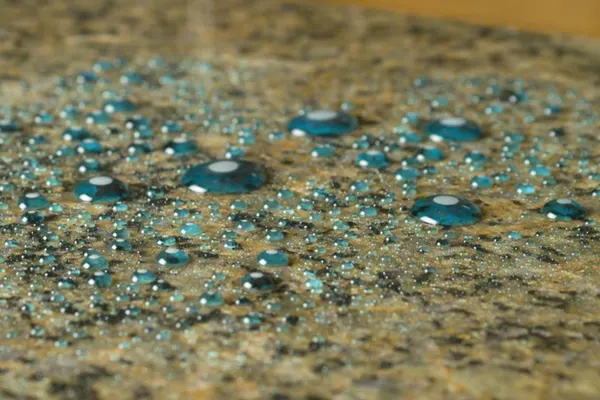
Treated Granite
Diamond Bond protects valuable stone surfaces by creating an impermeable barrier against spills, allowing them to be easily wiped away.
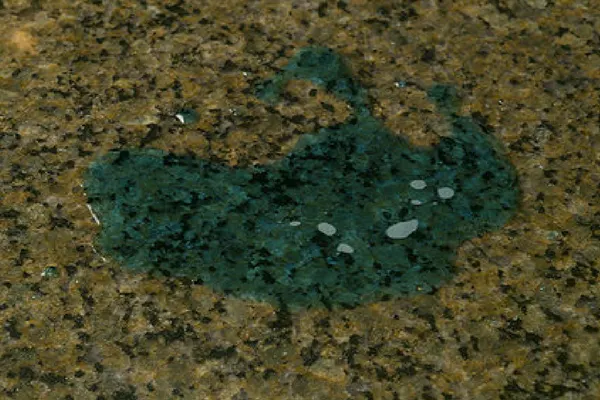
Untreated Granite
This beautiful piece of granite has not been sealed. Notice how the blue dye pools atop its surface. Over time, this can damage the stone.
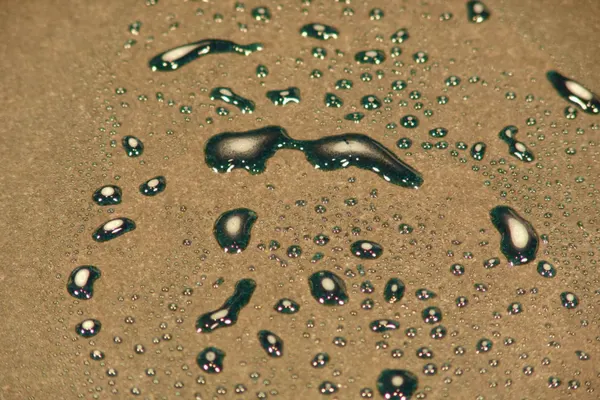
Treated Travertine
Once treated with Diamond Bond, household spills simply bead upon the surface of the stone and can be easily wiped clean.
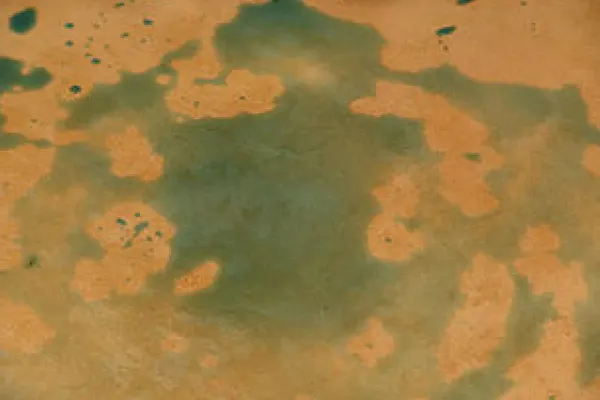
Untreated Travertine
Travertine is highly porous and will absorb household contaminants, as illustrated by this blue dye.
Care Instructions for Granite
Be diligent about wiping up spills as quickly as possible, especially the types of liquids that can etch or dull the finish of your stone. This includes vinegar-based food products, fruit, fruit juices, and tomato-based food products.
Clean your sealed granite and travertine with StoneTech stone cleaner and a #98 scrub pad, following the directions on the label. Avoid dish soaps with lemon or other fruit scents, as they contain a small amount of citric acid and can diminish the effectiveness of the sealant.
Don’t ever…
- Use acid-based or abrasive cleaners to remove mineral buildup if it appears. This includes vinegar-based cleaners.
- Use other revitalizers, polishes, or sealants on your granite. Once sealed, StoneTech and a #98 pad are all it needs.
- Prepare food items (particularly those high in acid content) directly on your granite surface. Use a cutting board.
- Set hot items from the oven directly on your granite. High heat can cause permanent damage.
More questions? Read Do You Really Need to Seal Granite Countertops? or our FAQ.
– Ask About Our VIP Maintenance Membership Program –
Sign Up Today